
Popular Foundation Support Products For Long-Term Stability
Explore a variety of products engineered to provide durable foundation support and prevent future structural issues.
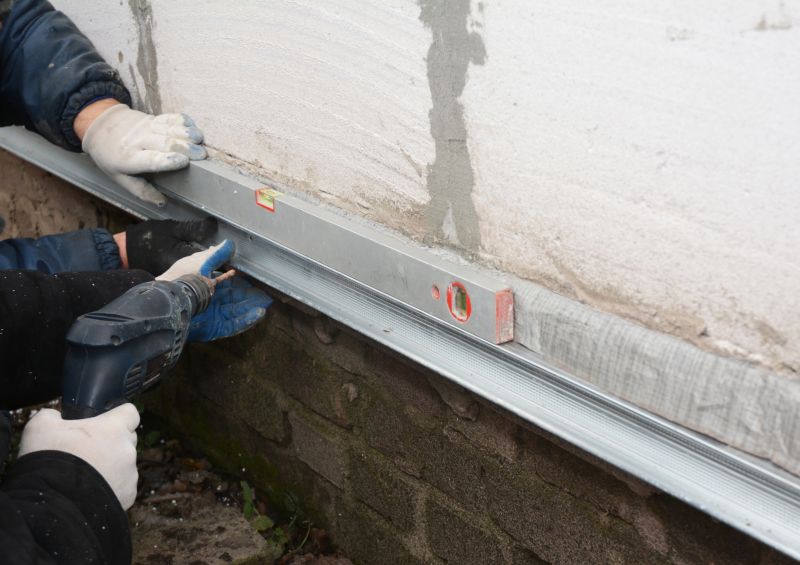 Foundation repairs are a critical aspect of maintaining the stability and safety of a building. When issues such as cracks, uneven floors, or water intrusion arise, selecting the appropriate products can help address these concerns effectively. It is important to understand that foundation repair products vary widely in their design and purpose, ranging from structural supports to waterproofing solutions. Proper assessment and consultation with professionals are recommended to determine the most suitable options for specific situations.
Top Overall Option
Polyurethane Injection System
A versatile and widely used solution, polyurethane injection systems are effective for sealing cracks and stabilizing weak spots in foundations. They expand upon application, filling voids and cracks to prevent water intrusion and further deterioration. These systems are suitable for a variety of foundation issues and are valued for their ease of use and adaptability.
Types of Products For Foundation Repairs
Concrete Crack Repair Kits
Designed for sealing and reinforcing cracks in concrete surfaces, these kits typically include epoxy or polyurethane compounds for durable repairs.
Pier and Beam Support Systems
Support systems that stabilize and lift sagging or uneven foundations, often involving steel piers or adjustable supports.
Underpinning Piles
Deep foundation supports used to strengthen and stabilize sinking or shifting foundations, especially in problematic soil conditions.
Wall Braces and Reinforcements
Structural reinforcements to stabilize walls and prevent collapse, including steel braces and wall anchors.
Waterproofing Membranes and Sealants
Materials applied to exterior or interior surfaces to prevent water infiltration and protect foundation integrity.
Soil Stabilization Products
Chemical or mechanical solutions that improve soil stability around the foundation, reducing shifting and settling.
Hydraulic Push Piers
Support systems that lift and stabilize foundations by transferring load to stable soil layers deep underground.
Carbon Fiber Reinforcement
Lightweight, strong fibers used to reinforce cracked or bowing walls, providing additional structural support.
Grout and Mud Jacking Materials
Materials used to fill voids beneath slabs or foundations, restoring levelness and support.
Drainage Systems
Solutions such as French drains and sump pumps that manage water flow and reduce hydrostatic pressure on foundations.
Foundation Repair Anchors
Anchoring systems that stabilize bowing or leaning walls by attaching them securely to the foundation structure.
Epoxy Injection Products
High-strength epoxy compounds used to repair cracks and restore structural integrity.
Soil Moisture Control Products
Devices and materials that regulate soil moisture levels to prevent expansion or contraction affecting the foundation.
Vapor Barriers
Protective layers installed to control moisture and humidity beneath or around the foundation.
Foundation Repair Pumps
Specialized pumps used for injecting repair materials or removing water from repair sites.
Popular Choices
Widely used for sealing cracks and preventing water intrusion, valued for quick application and effectiveness.
Commonly selected for deep foundation stabilization, offering reliable support for shifting structures.
Popular for their strength and ease of installation, especially in bowing or cracked walls.
Frequently chosen to protect foundations from water damage and moisture infiltration.
Preferred for their ability to lift and stabilize foundations in problematic soil conditions.
Effective in managing water flow around foundations, reducing hydrostatic pressure.
Commonly used for crack repairs, restoring structural integrity with durable bonding agents.
Popular for improving soil conditions and reducing foundation movement.
Chosen for their versatility in supporting various foundation types and soil conditions.
Often used to stabilize bowing or leaning walls, providing additional resistance.
In Grand Rapids, MI, where the soil conditions and climate can influence foundation stability, choosing reliable and durable products is essential. Foundation repair products are designed to reinforce weak areas, prevent further deterioration, and restore the integrity of the structure. These products often include a combination of injectables, supports, and waterproofing materials that work together to provide a comprehensive repair approach.
Understanding the different types of foundation repair products can help homeowners and contractors make informed decisions. From underpinning systems that stabilize sinking foundations to crack injection kits that seal and reinforce cracks, each product serves a specific function. Proper installation and maintenance are key to ensuring long-lasting results, and selecting high-quality, compatible products can contribute significantly to the success of any repair project.
Ultimately, investing in the right foundation repair products can help mitigate future issues, preserve property value, and ensure safety. Whether addressing minor cracks or major structural concerns, the right tools and materials are vital for effective repairs. It is always advisable to seek professional advice to evaluate the condition of the foundation and recommend the most appropriate products for your specific needs.
Key Buying Considerations
- Assess the specific foundation issue to determine the appropriate product type.
- Consider the soil conditions and how they influence foundation stability.
- Evaluate the compatibility of repair products with existing foundation materials.
- Check the durability and lifespan of the repair materials or systems.
- Ensure that the products are suitable for the size and extent of the damage.
- Review the ease of installation or whether professional assistance is recommended.
- Look for products with proven performance in similar soil and climate conditions.
- Consider the potential for future repairs when selecting repair solutions.
- Verify the availability of replacement parts or ongoing support from suppliers.
- Assess the safety features and installation requirements of the products.
- Determine budget constraints while balancing quality and effectiveness.
- Check product certifications or standards relevant to structural repairs.
- Consider the environmental conditions, such as moisture levels and drainage.
- Review user feedback and reviews for insights into product performance.
- Ensure compliance with local building codes and regulations.